The Truth About the Expression Premium Xp 6100: Pros, Cons, and Verdict
Introduction
The Expression Premium Xp 6100 is often marketed as a compact, photo-capable all-in-one printer for home and small office use. For shoppers who want to print family photos, school projects, and the occasional business document without a large footprint, models like the Xp 6100 promise a balance of image quality, convenient features, and straightforward mobile connectivity. This article unpacks the real-world strengths and weaknesses of the Expression Premium Xp 6100, examines how it performs in common use cases, compares it qualitatively to alternatives, and offers a practical buying guide so prospective buyers know what to expect.
What the Expression Premium Xp 6100 Is—and Who It’s For
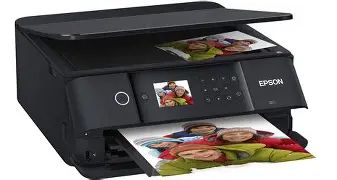
The Expression Premium Xp 6100 is an inkjet multifunction device built primarily for home users and hobbyist photographers who value space-saving design and the ability to print photos as well as everyday documents. It combines printing, scanning and copying in a small chassis and typically ships with features aimed at convenience: wireless printing from phones and tablets, support for borderless photo prints, and separate color cartridges so users replace only the color that runs out.
Buyers who will get the most value from this printer tend to fall into a few categories:
- Families who print school worksheets, permission slips and occasional photos.
- Hobbyist photographers who want good-looking 4x6 and 5x7 prints at home.
- Small home-office users needing low-to-moderate page volumes and a compact scanner for receipts and documents.
- Crafters and scrapbookers who value color fidelity for craft projects.
Design and Build: Compact with Practical Trade-offs
One of the Xp 6100’s most noticeable advantages is its small footprint. The unit fits comfortably on a desk or a narrow shelf and is lighter than many traditional all-in-ones, which matters if space is limited. The control surface is simple and aimed at consumers rather than professionals—menus are straightforward and commonly used actions are easy to access.
However, the compact design brings trade-offs. Paper handling capacity and input tray size are smaller than workhorse office printers. Frequent or heavy printing will require more frequent paper and media refills. For users who plan to print many pages daily, the small hopper and modest duty expectations of this class of printer mean more hands-on management.
Print Quality: Strengths and Limits
When evaluated for photo printing—the express lane where the Xp 6100 is positioned—this model produces impressive color output for casual and enthusiast users. Photos printed on manufacturer-recommended photo paper show vibrant color and pleasing skin tones without heavy post-processing. For snapshots, holiday photos and scrapbooking, the results are generally satisfying.
For everyday documents and mixed text/color materials, the Xp 6100 delivers sharp, legible text and solid color graphics suitable for letters, school projects, and internal reports. It is not a laser printer, so black text on plain paper lacks the razor-sharp density of laser output, but for most home and light-business needs the difference is negligible.
Color-critical professional photography or proofing for print shops is outside the intended target. Users who require absolute color accuracy, wide color gamut, or professional-grade permanence should view the Xp 6100 as a convenience machine rather than a studio-grade solution.
Performance and Everyday Use
In daily use the Xp 6100 performs predictably. Typical tasks—single-page printing, casual photo jobs, and scanning a few pages—complete quickly enough that latency is rarely a frustration. The unit wakes from sleep and accepts wireless jobs without long delays in most home networks.
Two real-world performance considerations:
Looking for the best Electronics deals on Amazon?
View Offers →- First-page-out times and recovery from sleep are important in a household where printing is sporadic; this model generally responds acceptably for intermittent use but may be slower than purpose-built office printers when printing many small jobs back-to-back.
- Duplex (automatic two-sided) printing is a valuable convenience if present; however, for home photo-focused multifunctions, the duplexer is usually designed for light-duty document work and should not be relied upon for heavy double-sided job volumes.
Ink System and Running Costs
One of the most frequently asked questions by buyers concerns ink costs. The Xp 6100 typically uses individual color cartridges, which is favorable compared to combined color tanks because it allows replacing only the depleted color. That said, sustained photo printing is ink-hungry: glossy, borderless photos consume more dye or pigment than plain text pages, and frequent photo printing will raise per-page costs.
Practical buyer considerations on ink:
- Compare the page yields and cartridge prices rather than just the headline printer price. A low initial purchase price can be offset by high peripheral costs.
- For people who print photos often, look for high-capacity cartridge options if available, or consider third-party refill programs carefully and evaluate impact on warranty and reliability.
- Print settings matter: standard or economy modes reduce ink consumption for everyday documents; reserve high-quality photo modes for images that demand it.
Connectivity and Software
Modern consumer printers are judged heavily on connectivity. The Xp 6100 supports wireless printing over a home Wi‑Fi network and generally provides mobile printing options via common standards and manufacturer apps. For many users, the ability to print from a smartphone, tablet or laptop without connecting cables is a decisive convenience.
Other conveniences that buyers care about include direct memory card printing and an LCD preview so photos can be printed without a PC, plus support for Apple’s AirPrint and Google Cloud Print alternatives where applicable. Scanning to a computer and simple on-device copying are standard functions that work well for routine tasks like scanning receipts, educational paperwork and identity documents.
Scanner and Copy Functions
The built-in flatbed scanner handles typical home scanning needs: photos, single-page documents and multi-page jobs when paired with a computer. Scanning resolution is adequate for archiving family photos and digitizing important documents, but users with specialized scanning needs—high-resolution film scanning or large-format scanning—will need dedicated hardware.
Real-World Use Cases
Practical scenarios illustrate how the Xp 6100 fits into everyday life:
- Family Photo Albums: A parent prints 4x6 photos for holiday albums and appreciates the borderless photo capability and color vibrancy on recommended photo stock.
- Student Work and Projects: A college student prints assignments, posters and color charts occasionally and benefits from wireless printing from a laptop and phone.
- Home Office with Low Volume: A freelancer who invoices occasionally and needs to scan contracts finds the all-in-one functionality useful while not needing the volume capacity of an office printer.
- Crafting and Scrapbooking: Crafters who print stickers, labels and photos for projects find the color output and compact size convenient; they monitor ink levels since project work uses photo ink rapidly.
Pros & Cons
Pros
- Compact footprint: Fits comfortably in small homes and tight workspaces.
- Good photo output for casual users: Vibrant color on recommended photo papers suitable for family albums and crafts.
- Individual ink cartridges: Replace only the color that runs out, which can save money in mixed-use scenarios.
- Wireless and mobile printing: Convenient printing from phones, tablets and laptops without cables.
- All-in-one functionality: Printing, copying and scanning cover most home needs.
Cons
- Running costs: Photo printing can be expensive over time due to ink consumption.
- Limited paper capacity: Small input tray increases maintenance for frequent printing.
- Not built for heavy-duty office use: Durability and duty cycle are tuned to home or light-office volumes.
- Color-critical work: Not suitable for professional color proofing or archival-grade permanence without careful media and workflow management.
- Feature trade-offs: Compact size means fewer bells and whistles compared with larger printers (e.g., smaller screen, fewer paper paths).
Comparison Table: Expression Premium Xp 6100 (Qualitative)
| Feature | How the Xp 6100 Performs | What Buyers Should Expect from Alternatives |
|---|---|---|
| Print Quality (Photos) | Very good for casual and enthusiast home photo printing on glossy media. | Larger photo-focused models often offer wider color gamut and higher durability; office lasers are poor at photos. |
| Print Quality (Text) | Sharp and adequate for letters, schoolwork and mixed documents. | Small office lasers offer crisper black text and lower per-page text cost at higher volumes. |
| Running Costs | Moderate to high for photo-heavy use; individual cartridges help manage cost for mixed usage. | High-capacity ink tank systems or monochrome lasers reduce per-page costs for heavy users. |
| Connectivity | Good — wireless/mobile-friendly for phones and laptops. | Most consumer alternatives offer similar wireless features; higher-end models add Ethernet and advanced cloud workflows. |
| Paper Handling | Best for small batches; limited paper tray capacity. | Office printers offer larger hoppers and multi-tray feeding for higher volumes and mixed media. |
| Size & Design | Compact and attractive for home setups. | Desk-focused alternatives may be larger but provide expanded features and capacity. |
Buying Guide: Is the Expression Premium Xp 6100 Right for You?
Choosing a printer is about matching the machine to real needs. The following questions and guidance help evaluate whether the Xp 6100 is the right purchase.
1. What is the primary use?
If the primary goal is family photos and occasional documents, the Xp 6100 is well-suited. For heavy document printing, long invoices, or high-volume office tasks, consider a laser printer or a high-capacity ink-tank model.
2. How many pages will be printed each month?
For under a few hundred pages per month (mixed text and occasional photos), the Xp 6100 typically performs well. If monthly volume climbs into the thousands, running costs and maintenance become critical—look for printers with a higher duty cycle and lower per-page costs.
3. Are photo prints an important priority?
If printing 4x6 or 5x7 photos at home is a frequent activity, the Xp 6100 will deliver satisfying results when used with recommended photo papers. For professional-quality prints or archival permanence, a dedicated photo lab or higher-end inkjet device is a better fit.
Shop the latest Electronics picks on Amazon.
Browse Now →4. How important is space?
For small apartments or a compact home office, the Xp 6100’s small footprint is a major plus. If a user can accommodate a larger device, alternatives with larger paper capacity and extra ports may be preferable.
5. What about total cost of ownership?
Budget for cartridges and paper in addition to the printer’s purchase price. Check cartridge options (standard vs. high-capacity), estimated page yields published by the manufacturer, and consider the cost-per-page for both text and photo printing in your regular workflow.
6. Which connectivity features are necessary?
Confirm mobile printing compatibility with existing devices. Most buyers value Wi‑Fi and an app-based workflow for convenience. If printing from many different devices or requiring network reliability in a small office, look for robust network features and driver support for multiple operating systems.
7. Are additional features desirable?
Think about duplexing, auto document feeder (ADF), memory card slots, and an intuitive display. The Xp 6100 covers many common needs but omits high-end conveniences found on larger all-in-ones.
Maintenance and Long-Term Considerations
Routine maintenance for any inkjet includes occasional printhead cleaning and attention to paper jams. If the printer sits unused for weeks, ink can dry in the nozzles; regular light printing helps keep heads clear. Buyers who print infrequently may want to either run a small test page weekly or choose a model with robust head-maintenance features.
Warranty and support are also practical considerations. Check term lengths and what is covered; some retailers and manufacturers offer extended plans that may be worthwhile for users depending on expected usage and the value of minimizing downtime.
Conclusion
The Expression Premium Xp 6100 is a sensible choice for home users who need a compact, versatile all-in-one that handles both snapshots and everyday documents. Its strengths are its small footprint, consumer-focused features, and good casual-photo output. Those strengths come with trade-offs: running costs for frequent photo printing, limited paper capacity, and performance tuned to light-duty use rather than continuous office workloads.
For buyers who prioritize convenience, space savings, and occasional high-quality photos, the Xp 6100 is an attractive, practical option. For users with heavy document needs, extreme color-critical work, or requirements for the lowest long-term per-page costs, alternative printer classes may be more suitable. As with any purchase, match the printer’s strengths to real-world habits—consider monthly volume, the importance of photo printing, and tolerance for ongoing ink costs before deciding.