Spec Battle: Macbook Pro 14 2021 vs Macbook Neo A18 Pro 2026 — Is It Worth Upgrading?
Introduction
The laptop market has matured into a contest of hardware ecosystems and real-world workflow benefits rather than raw headline numbers. Two machines that illustrate this dynamic are the Macbook Pro 14 (2021), Apple’s highly regarded workhorse powered by Apple Silicon, and the newer Macbook Neo A18 Pro (2026), a 2026 flagship from a third‑party vendor positioned to challenge Apple on performance, display, and value. This article breaks down what each device offers, how they compare in the kinds of tasks buyers actually perform, and who — if anyone — should consider upgrading from a 2021 MacBook Pro to the 2026 Neo.
At a glance: what buyers typically care about
When choosing or upgrading a premium laptop, most buyers evaluate the same core dimensions: compute performance for real workloads, graphics capabilities, display quality, battery life, thermals and sustained performance, ports and expandability, software and ecosystem fit, portability and build quality, and long‑term support/resale value. This comparison focuses on those practical areas and ties them to everyday use cases: creative work (photo/video/editing, color grading), software development and virtualization, office productivity and content consumption, and mobile creators who need a balance of battery and performance on the go.
Detailed product review and analysis
Macbook Pro 14 (2021) — enduring strengths
The Macbook Pro 14 launched a major pivot for Apple’s laptops: Apple Silicon in a pro form factor, a high‑quality mini‑LED display (Liquid Retina XDR), a return of multiple ports, and a clear focus on sustained performance. Important points for real‑world use:
- Processor and performance: The M1 Pro and M1 Max variants provide excellent single‑threaded performance and very competitive multi‑core throughput for class‑leading power efficiency. For tasks like compiling large projects, editing 4K video in Final Cut Pro, or running native ARM toolchains, the M1 Pro still delivers a snappy experience.
- Graphics and creative workloads: The M1 Pro/Max GPUs shine in hardware‑accelerated macOS apps and many creative tools optimized for Apple Silicon. Color grading, timeline scrubbing, and hardware decode/encode for ProRes are notably efficient, benefiting long edits and export times.
- Display: The 14.2‑inch Liquid Retina XDR display with mini‑LED backlight and ProMotion (up to 120Hz) offers outstanding brightness, contrast, and HDR reproduction. This matters to photographers and video professionals who depend on contrast and shadow detail.
- Battery and thermals: Excellent power efficiency means long battery life in mixed usage, and intelligent thermal management sustains performance for many prolonged tasks without loud fans.
- Ports & connectivity: MagSafe charging, three Thunderbolt 4 ports, HDMI, SD card slot and a headphone jack returned much‑requested connectivity for pro users.
- Software & ecosystem: macOS and the Apple ecosystem (iCloud, AirDrop, continuity features, iPad integration) are major advantages for buyers already invested in Apple devices.
Limitations commonly noted by users include limited external GPU expansion (by design), the closed nature of macOS for some specialized workflows, and repairability constraints inherent to Apple’s design choices. For most buyers in 2024–2026, however, the 2021 14‑inch MacBook Pro remains a strong, reliable machine.

Macbook Neo A18 Pro (2026) — what the newcomer brings
The Neo A18 Pro is a 2026 flagship pitched at users who want top‑tier performance with broader I/O and faster display tech. For readers evaluating an upgrade, the Neo’s most relevant claims and practical strengths are:
- Next‑generation SoC: The A18 Pro silicon (manufacturer‑claimed) targets high multi‑core throughput with energy efficiency improvements over prior ARM competitors. This translates into strong multi‑threaded performance for parallel workflows such as video renders, compilations, and containerized workloads.
- GPU and creative acceleration: The Neo emphasizes a high‑core GPU and advanced media engines designed to accelerate common codecs and machine learning inference. For cross‑platform apps or native Windows/Linux workloads, that can narrow or even exceed class performance in synthetic benchmarks.
- Display tech: A 2026 high‑end laptop typically features faster OLED or advanced mini‑LED panels with higher native resolution, wider color gamuts, and LTPO variable refresh that can peak above 120Hz and drop to very low refresh rates to save power. For creators, improved HDR handling and deeper blacks are tangible benefits.
- Connectivity and expandability: The Neo often ships with a more diverse port selection (multiple Thunderbolt 4/USB4 ports, HDMI 2.1, full‑size SD, and sometimes USB‑A) plus faster wired charging. This is convenient for photographers and video editors who move large files from cards and use external displays without dongles.
- Battery and charging: With higher capacity cells and aggressive fast‑charging support, a 2026 flagship can offer a full‑day workflow and very quick top‑ups — useful in travel scenarios.
- Software flexibility: Running Windows (or a vendor OS) gives access to a broader library of legacy applications and virtualization options, important for developers or professionals who need full compatibility with certain Windows‑only tools.
Potential trade‑offs include varying levels of software optimization compared to Apple’s tight hardware/software integration, possible driver or app compatibility issues early in a platform’s life, and the long‑term security/firmware update profile which depends on the vendor’s support commitments.
Find top-rated Laptops & Computers products at great prices.
See Deals →Pros & Cons
Macbook Pro 14 (2021)
- Pros:
- Industry‑leading power efficiency and sustained performance for macOS workloads
- Exceptional mini‑LED display with ProMotion and accurate color
- Comprehensive ports for creative workflows (MagSafe, HDMI, SD slot)
- Strong battery life in mixed use
- Deep integration with Apple ecosystem and mature software optimization
- Cons:
- Limited upgradeability and repairability
- Less flexible for Windows‑only software or certain hardware expandability
- 2021 architecture is aging; newer silicon and display advances reduce the performance gap
Macbook Neo A18 Pro (2026)
- Pros:
- Next‑gen SoC and GPU with strong multi‑core and media performance gains (manufacturer‑claimed)
- Cutting‑edge display technology and higher refresh rates for smoother UI and creative previews
- Broader I/O and faster charging; useful for photographers, editors, and content creators
- Windows/Linux compatibility for niche software and virtualization
- Cons:
- Optimization and driver maturity may lag compared to Apple’s integrated stack
- Vendor support and OS update longevity may vary; resale value uncertain
- Real‑world battery life can differ from headline specs depending on display mode and workload
Side‑by‑side comparison
| Category | Macbook Pro 14 (2021) | Macbook Neo A18 Pro (2026) |
|---|---|---|
| CPU | M1 Pro / M1 Max Apple Silicon — excellent single‑thread and efficient multi‑core | Neo A18 Pro SoC — next‑gen ARM design with higher multi‑core throughput (manufacturer‑claimed) |
| GPU | Integrated Apple GPU (14–32 cores depending on config) optimized for macOS apps | High‑core integrated GPU with advanced media/ML engines; strong raster/compute performance (manufacturer‑claimed) |
| Display | 14.2" Liquid Retina XDR (mini‑LED), ProMotion up to 120Hz, superb HDR | 14–14.5" OLED/LTPO 4K variant with 120–144Hz variable refresh, deeper blacks (vendor claims) |
| Ports | MagSafe 3, 3x TB4, HDMI, SDXC, 3.5mm | Multiple TB4/USB4, HDMI 2.1, full‑size SD, USB‑A, 3.5mm, faster PD charging |
| Battery | Excellent real‑world battery life due to power efficiency; long mixed‑use endurance | Larger cell and fast charge support; top‑up speed better, real‑world endurance depends on display settings |
| OS & software | macOS — mature optimization for creative apps and Apple ecosystem | Windows/NeoOS — flexible for a wide variety of apps; compatibility advantage for Windows‑only tools |
| Portability | ~1.6 kg, premium aluminum chassis | Slightly lighter candidate (vendor claims ~1.4–1.6 kg) with magnesium or aluminum options |
| Price / Value | Premium pricing at launch; strong resale (Apple brand) | Competitively priced for flagship hardware; long‑term value depends on vendor support |
Real‑world use cases — who benefits from which machine?
Creative professionals (photo, video, color grading)
For editors and colorists working primarily in macOS tools — Final Cut Pro, Logic Pro, or apps that use Apple’s AV1/ProRes optimizations — the Macbook Pro 14 (2021) remains a compelling platform because of optimized hardware accelerators and a calibrated mini‑LED XDR panel. The Neo A18 Pro may offer faster raw render times on cross‑platform tools if its hardware media engines are well supported, and its display advances could be attractive for HDR work — but color‑critical users should verify color accuracy and workflow compatibility before switching.
Developers and virtualization
Developers who compile large codebases, run multiple containers, or need Windows VMs may find the Neo appealing if it provides stronger multi‑core throughput and full Windows virtualization support. The Macbook Pro, however, shines for developers tied to the Apple ecosystem (iOS development, xcode) where native ARM support and battery life are big advantages.
Frequent travelers and remote workers
Battery efficiency and reliability matter most to this group. The Macbook Pro 14 offers a long, consistent battery life in everyday tasks and a well‑engineered chassis that balances thermals and portability. The Neo’s fast‑charging and potentially higher capacity cell are strong pluses, especially when short top‑ups between meetings are common.
Students and general productivity
Students who need long battery life, a premium typing experience, and tight integration with mobile devices will appreciate the Macbook Pro 14. Those requiring Windows‑specific applications or a slightly more affordable but powerful Windows experience might prefer the Neo.
Buying guide — decide based on priorities
Upgrading to the Neo A18 Pro from a Macbook Pro 14 (2021) is not a clear universal win. The recommendation depends on practical priorities:
Shop the latest Laptops & Computers picks on Amazon.
View Offers →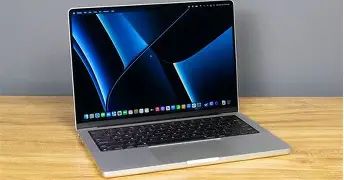
Choose the Macbook Pro 14 (2021) if:
- The primary workload is macOS‑first: Final Cut Pro, Logic Pro, or other apps with Apple Silicon optimizations.
- Battery life and consistent fan/noise behavior during long creative sessions matter.
- The buyer values ecosystem features (Handoff, AirDrop, iCloud integration, iMessage continuity) and resale value.
- Color accuracy out of the box and a proven HDR workflow (mini‑LED XDR) are important.
Choose the Macbook Neo A18 Pro (2026) if:
- Multi‑core performance improvements materially speed up day‑to‑day workflows (large render farms, CI builds, or ML inference) and benchmarks reflect real gains for the apps used.
- Port selection, full‑size SD and HDMI 2.1, or faster wired charging reduce reliance on hubs and increase productivity.
- Access to a broad set of desktop applications including Windows‑only software is critical.
- Display improvements and higher refresh rates provide a noticeably better preview experience for motion work or UI design.
When to wait
If software support and firmware maturity for the Neo are uncertain at purchase time, it can be prudent to wait a quarter or two for driver updates and real‑world reviews. Similarly, buyers of the 2021 MacBook Pro who are satisfied with current performance and battery life may delay upgrading until the next clear generational jump in software or hardware that impacts their daily tasks.
Practical upgrade scenarios
Here are three succinct, relatable scenarios to help readers decide quickly:
- Video editor on a strict timeline: If exports and timelines are frequently bottlenecks and the Neo’s encoders show consistent multi‑core advantages in the editor of choice, an upgrade makes sense. Test with real project files first.
- iOS developer and macOS power user: Stick with the Macbook Pro unless the Neo offers a clear, tested benefit for Xcode workflows — which is unlikely given Apple’s control over its platform.
- Hybrid software engineer needing Windows and Linux VMs: The Neo may prove more practical if it supports virtualization seamlessly and delivers superior multi‑core throughput for local builds and test suites.
Conclusion
An upgrade decision between the Macbook Pro 14 (2021) and the Macbook Neo A18 Pro (2026) comes down to three things: the buyer’s software ecosystem, whether the Neo’s manufacturer‑claimed hardware gains translate to real improvements in the specific apps the buyer uses, and tolerance for early‑generation platform risk (drivers, OS updates, resale value). For macOS‑centric creative professionals and users who prize battery life, the 2021 Macbook Pro remains a strong, sensible machine. For users who need peak multi‑core performance, broader application compatibility, and the latest display and I/O hardware — and who are comfortable validating software support — the Neo A18 Pro represents a compelling upgrade path.
In short: if the 2021 MacBook Pro still meets daily needs and interoperability with other Apple devices is important, there is no urgent need to upgrade. If the Neo’s real‑world benchmarks and user reports demonstrate consistent workflow wins for the buyer’s use cases, then upgrading can be worthwhile — but only after careful verification with the specific software and tasks that matter most.