Should You Upgrade from Alienware Pro Wireless Gaming Headset to Dreame H15 Pro Heat?
Short answer: It depends on what the user values most. For someone who prioritizes low-latency wireless performance, proven microphone clarity for long sessions, and a familiar comfort profile, staying with the Alienware Pro Wireless Gaming Headset makes sense. For users who want a fresh set of features—particularly improved passive isolation, an alternative audio tuning, and novel comfort innovations (such as thermal control in the earcups) — the Dreame H15 Pro Heat is worth serious consideration.
Introduction
Upgrading audio gear is rarely a purely technical decision: it mixes ergonomics, use-case priorities, software ecosystems, and budget. The Alienware Pro Wireless Gaming Headset has established itself with a reputation for dependable wireless gaming performance and a gamer-focused feature set. The Dreame H15 Pro Heat represents a different approach, appealing to users who are willing to trade continuity for new conveniences and a different design philosophy.
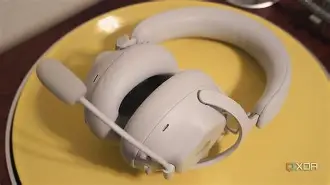
This article helps readers decide by walking through how the two headsets compare across real-world use cases — competitive FPS, streaming and content creation, long-session comfort, music and media, and portability. It outlines where each headset excels, summarizes pros and cons, provides a clear comparison table, and finishes with a buying guide so readers can match choices to their priorities.
Overview: What buyers typically care about
- Audio performance: clarity, soundstage, bass response, and tuning for game cues versus music fidelity.
- Microphone quality: clarity, noise handling, and suitability for streaming or team chat.
- Comfort and build: weight, clamping force, materials, and padding for marathon play sessions.
- Connectivity and latency: wireless reliability, encryption, and low-latency modes for competitive play.
- Battery life and charging: hours per charge, quick-charge behavior, and whether charging is passthrough.
- Software and ecosystem: companion apps, EQ, profiles, and platform compatibility.
- Price and value: what features are included for the cost and how future-proof the purchase feels.
Product analysis: Alienware Pro Wireless Gaming Headset
The Alienware Pro Wireless Gaming Headset is designed primarily for gamers who want wireless freedom without sacrificing tournament-level responsiveness. It often appeals to PC and console players who already live inside the Alienware/Dell ecosystem and prefer straightforward setup and tuning through a companion app.
Key strengths
- Low-latency wireless link: Prioritizes minimal lag in competitive titles — suitable for FPS and fighting games.
- Balanced comfort: Typically uses memory foam or dense padding and an adjustable clamping force for long sessions.
- Clear voice capture: The boom mic or detachable mic is tuned for voice clarity and intelligibility in party chat.
- Solid build and warranty: Dell/Alienware generally provides reliable support and predictable firmware updates.
Real-world use cases
For team-based multiplayer, battle royale, or competitive FPS, the Alienware headset is often the safer choice because latency and microphone reliability matter more than novelty comfort features. Streamers who rely on a separate XLR or USB mic may pair the Alienware headset for monitoring and still get broadcast-quality voice from a dedicated microphone.
What buyers should watch for
- Some users report the tuning leans toward gaming-centric punchy lows and elevated mids for footsteps — great for games, less ideal for neutral music listening.
- Battery life under heavy features (e.g., RGB, virtual surround) can be shorter than advertised; power management settings matter.
- Companion app ecosystems change; buyers who depend on advanced DSP should verify current software feature sets before purchasing.
Product analysis: Dreame H15 Pro Heat
The Dreame H15 Pro Heat positions itself as a modern alternative that blends audio performance with comfort innovations. The “Heat” element hints at an emphasis on thermal comfort or active warmth control for the earcups — a niche but meaningful feature for users in cold environments or those who appreciate temperature regulation during long sessions.
Find top-rated Electronics products at great prices.
Browse Now →Key strengths
- Comfort innovation: If the headset includes thermal control, it reduces cold-ear discomfort during long stationary sessions and can feel more luxurious for casual listening.
- Isolation and passive noise control: A tighter seal improves immersion and reduces the need for high volumes in noisy rooms.
- Alternative audio tuning: Likely tuned for a broader media experience — better balance for music and movies compared with some gaming-first headsets.
- Modern feature set: Expect updated codecs, potential multipoint connectivity, and contemporary design cues.
Real-world use cases
The Dreame H15 Pro Heat may appeal to users who mix gaming with long-form media consumption: single-player gaming, watching movies, listening to music, and work-from-home meetings. The thermal comfort feature is particularly compelling for people in colder climates or for those who find traditional earcup materials become uncomfortable over time.
What buyers should watch for
- Novel features can introduce trade-offs: heating elements add complexity and may affect battery life or long-term reliability.
- Prioritize microphone testing — some hybrid consumer headsets favor speaker fidelity over broadcast-grade mic performance.
- Software support and firmware updates should be checked, since new entrants sometimes lag in long-term driver and app support.
Side-by-side comparison
| Feature | Alienware Pro Wireless Gaming Headset | Dreame H15 Pro Heat | Notes |
|---|---|---|---|
| Primary focus | Competitive gaming performance | Comfort-forward multimedia listening | Choose based on whether competitive latency or comfort is more important. |
| Wireless latency | Low-latency mode for gaming | Likely modern codecs — check for game mode | Alienware typically prioritizes latency-critical performance. |
| Microphone | Clear, gamer-focused mic (boom/removable) | Designed for clear voice but may favor speaker fidelity | Streamers who need studio quality may prefer an external mic regardless. |
| Comfort & fit | Ergonomic, tried-and-tested padding | Thermal control + plush materials | Dreame's thermal approach is a differentiator for long sessions in varied climates. |
| Battery & charging | Optimized for gaming sessions; quick-charge common | Heating features may reduce effective runtime; check specs | Heating and active features inevitably draw more power. |
| Software & customization | Companion app and gaming profiles | Modern app likely, but ecosystem maturity varies | Software can be a decisive factor for EQ and surround options. |
| Price & value | Positioned at a gamer-focused price point | Positioned as feature-rich lifestyle headset | Value depends on which unique features align with the user's priorities. |
Pros & Cons
Alienware Pro Wireless Gaming Headset
- Pros: Reliable low-latency wireless performance; strong voice clarity for team chat; comfortable for long play sessions; firmware and support from a large manufacturer.
- Cons: Tuning that favors gaming may be less versatile for audiophiles; fewer lifestyle features (e.g., thermal comfort); features may overlap with other Alienware accessories requiring the same ecosystem.
Dreame H15 Pro Heat
- Pros: Innovative comfort features (thermal control) that reduce discomfort during long use; likely improved passive isolation for immersive listening; balanced tuning better suited to music and movies; contemporary design cues.
- Cons: Heating or thermal management can reduce battery lifetime and add complexity; microphone performance should be validated for competitive gaming; new entrants may have shorter official firmware support windows.
Buying guide: How to decide whether to upgrade
1. Define the primary use case
If the headset is primarily for competitive online gaming, prioritize latency, mic reliability, and proven wireless performance — an area where the Alienware headset is likely stronger. If the user mixes long sessions of media consumption, remote work, and casual gaming, Dreame’s comfort and balanced tuning may improve everyday satisfaction.
2. Microphone vs. monitoring needs
Streamers should think in two channels: the microphone for the audience and the headphones for monitoring. If the onboard mic is the primary capture device, test sample clips and ask teammates for feedback. If there is a separate USB/XLR mic in use, the onboard mic matters less and comfort/audio signature becomes the deciding factor.
3. Comfort and long-session features
Weight, clamping force, earcup material, and headband padding matter more over multi-hour sessions than small spec differences. For users who experience ear or head fatigue in long sessions, the Dreame H15 Pro Heat’s thermal features could be a material improvement. Buyers with warmer climates or who prefer breathability may prefer conventional breathable padding over heated earcups.
4. Battery life expectations
Set realistic expectations: active features (RGB, thermal elements, ANC) will drain battery faster. If portability and long unplugged sessions are common, favor the headset with longer advertised playback per charge and efficient quick-charge behavior. Verify whether the headset supports wired passthrough so gaming can continue while charging.
5. Platform and software compatibility
Check whether companion apps are available for the platforms in use (Windows, macOS, PS5, Xbox, mobile). Some headsets offer distinct profiles per platform and advanced DSP only on PC. If specific surround sound formats (e.g., Dolby Atmos, Windows Sonic) are important, confirm compatibility.
Shop the latest Electronics picks on Amazon.
See Deals →
6. Warranty and long-term support
A larger manufacturer often offers predictable updates and warranty processes. For buyers who want a "set it and forget it" purchase with multi-year firmware support, a brand with proven after-sales service reduces risk.
7. Test before you commit
Whenever possible, test the headset in the intended environment: try voice calls, play the games normally played, and stream music tracks used daily. Pay attention to comfort after 60–120 minutes. If testing in-store isn’t possible, ensure return policies are reasonable so the headset can be evaluated at home.
When upgrading makes sense
- If the Alienware headset is several generations old and the user wants improved passive isolation, longer-lasting materials, and a more neutral audio signature for music and movies, the Dreame H15 Pro Heat is a logical upgrade.
- If cold-ear discomfort or sensitive ear temperature is a recurring annoyance, the thermal comfort features provide a unique quality-of-life improvement.
- If the user wants a fresh design and is willing to accept some uncertainty around long-term software support and mic performance, switching to Dreame can be rewarding.
When staying with Alienware makes sense
- Competitive gamers who need the lowest possible wireless latency and a microphone optimized for team communication should remain with the Alienware headset or choose another tournament-focused model.
- Users who value long-term manufacturer support and well-established firmware ecosystems may prefer the stability of a major brand’s gaming line.
- Those using a separate professional microphone for streaming but needing reliable monitoring and chat communication will find the Alienware headset continues to meet those needs well.
Conclusion
The decision to upgrade from the Alienware Pro Wireless Gaming Headset to the Dreame H15 Pro Heat hinges on practical priorities. Alienware remains a strong choice for competitive, latency-sensitive play and dependable microphone performance. The Dreame H15 Pro Heat aims to broaden the headset conversation by adding comfort innovations and a more versatile listening profile — features that translate into measurable improvement for users who alternate between gaming, long listening sessions, and remote work.
Buyers should weigh which aspects of headset performance matter most in everyday use: absolute latency and tested gaming credentials, or improved comfort and multimedia versatility. Testing both headphones in real-world scenarios and checking up-to-date software support will give the clearest indication of which headset aligns with individual needs.