A Professional's Take on the New Ipad 11 2025
Category: Laptops
Introduction
The iPad 11 2025 arrives positioned squarely at the intersection of tablet portability and laptop-class productivity. For professionals who juggle content creation, meetings, and on-the-go workflows, device choices hinge on performance, display quality, accessory compatibility, and long-term software support. This analysis looks beyond marketing copy to examine how the iPad 11 2025 performs in real-world scenarios: whether it can be the primary device for a freelance designer, an enterprise road warrior, a student balancing coursework and research, or a manager who relies on communication and document editing.
Overview and what changed (high level)
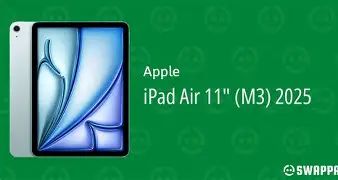
The 2025 refresh focuses on incremental but meaningful improvements: a slightly larger liquid retina display tuned for color-critical work, a new system-on-chip (SoC) that bridges the gap between efficient mobile silicon and higher sustained performance, improved thermal management, and refined input latency for pen and keyboard accessories. Apple also made minor but practical updates to the port and wireless feature set, enabling faster external storage access and more reliable cellular connections for users who depend on mobile broadband.
Design and build quality
From a build perspective the iPad 11 2025 keeps the signature thin, anodized aluminum chassis, but advances in materials engineering reduce weight without compromising rigidity. The device feels notably sturdy in landscape orientation, which matters when paired with a keyboard folio. The edges remain squared for stability when propped, and the balance between the display and the rear shell helps reduce wobble when using an attachable keyboard.
Port placement and physical controls are conservative: a unified top power/lock button with integrated biometric sensor, a volume rocker on the side, and a single high-speed data port on the bottom edge. The decision to avoid multiple ports emphasizes accessory ecosystems, while the single port is capable enough for docks and fast external drives when needed.
Display: the professional’s window
Display improvements are among the most relevant for buyers who care about color accuracy, brightness, and responsiveness. The iPad 11 2025 uses a laminated Liquid Retina panel with slightly higher peak brightness and wider color gamut coverage than previous non-Pro iPad models. The device targets P3 color space and supports 10-bit color processing in workflows that require subtle gradients (photo editing, color grading, and digital painting).
Key practical attributes:
- Color fidelity: Out of the box, the panel is close to factory-calibrated, producing accurate skin tones and neutral grays without aggressive saturation.
- Brightness and outdoor use: Improved peak brightness helps maintain visibility in daylight, though reflections on glossy glass remain a consideration for prolonged outdoor use.
- Pen latency: The Apple Pencil experience on the iPad 11 2025 shows lower perceptible latency during strokes and a refined palm-rejection model—important for illustrators and note-takers.
Performance: SoC and real-world throughput
The new SoC brings a mix of single-thread burst performance and better multi-core sustain for extended tasks. In everyday use—email, browser-based collaboration, multitasking between documents and video calls—the iPad 11 2025 is smooth and responsive. For heavier workloads, such as compiling code in cloud-based IDEs, exporting 4K video sequences in a native app, or running multiple virtualized browser instances, the SoC sustains throughput longer than prior generation mainstream iPads, though it does not match the thermal envelope and constant high-end throughput of the full “Pro” silicon in high-end tablets or ultraportable laptops.
Practical notes:
Discover deals on Laptops & Computers — updated daily.
Browse Now →- The device handles multitasking with Split View and Stage Manager (where supported) reliably; switching apps and resizing windows is fluid.
- Creative apps—photo editors, vector illustration tools, and DAW light projects—run well for most freelance and content creation workflows.
- Professionals who render long-form video timelines or run compute-heavy ML tasks regularly may still prefer a higher-tier device with sustained thermal headroom.
Battery life and thermal behavior
In standard mixed-use scenarios—web browsing, document editing, calling, occasional streaming—the iPad 11 2025 achieves a full workday on a single charge for many users. The hardware and software work together to optimize background processes and display power consumption. With sustained heavy tasks such as continuous 4K video playback or prolonged rendering, battery drain accelerates predictably, and the device will warm but rarely reaches uncomfortable surface temperatures thanks to refined internal cooling.
Cameras, microphones, and media
Apple improved the front-facing camera and microphone array to better suit video conferencing and hybrid work. The ultra-wide front camera supports automatic framing features and reduced noise in dimmer conditions. Microphones capture a broad dynamic range and suppress room noise effectively, which reduces the need for external mics during quick calls. The rear camera system remains capable for casual scanning and reference photography, though professionals will still prefer dedicated cameras for critical work.
Accessories and ecosystem
Accessory compatibility is a crucial decision factor for buyers. The iPad 11 2025 supports the latest Apple Pencil iteration and a magnetic keyboard folio. The keyboard experience is improved with better key travel and a more stable hinge for lap use. Buyers should consider:
- Apple Pencil: The low latency and pressure sensitivity are ideal for sketching, annotation, and design mockups.
- Keyboard folio or third-party mechanical keyboards: For extensive typing sessions, higher-quality third-party keyboards may provide better ergonomics and switch preferences.
- Docks and external storage: USB-C hubs extend the iPad’s connectivity for displays, wired Ethernet, and external drives—useful for professionals who prefer local network performance or large local assets.
Software, multitasking, and workflow
iPadOS continues to evolve toward a more productive, windowed experience while keeping the app ecosystem optimized for touch and pen input. Key improvements that matter to professionals:
- Stage Manager and desktop-class windowing: When supported by the iPad 11 2025, Stage Manager allows overlapping windows, external display support, and better drag-and-drop between apps—beneficial for designers and analysts who toggle between reference material and editing tools.
- File management: Native file browser improvements, including better external storage handling and richer metadata support, reduce friction for content-heavy workflows.
- Professional apps: Many creative and productivity developers are shipping feature-rich iPad adaptations of desktop software; however, feature parity varies, and professionals should validate mission-critical tools exist in the iPadOS ecosystem.
Real-world use cases
The iPad 11 2025 finds its strongest fit in several practical scenarios:
- Field creative work: Photographers and illustrators who need a portable color-accurate canvas for editing and markup will appreciate the display and Pencil responsiveness. The form factor and battery life make it ideal for on-location reviews, annotation, and quick edits.
- Hybrid office worker: Professionals who alternate between desk and travel can use the iPad as a lighter alternative to a laptop for meetings, note-taking, and document collaboration. The improved microphones and front camera mean fewer accessory compromises for video calls.
- Students and researchers: The iPad excels for reading, annotating PDFs, taking handwritten notes, and running light statistical or data visualization tools hosted in the cloud.
- Executive and communications roles: Those who prioritize secure messaging, calendar management, and slide review benefit from the long battery life and optimized mail and conferencing apps.
Comparison: iPad 11 2025 vs. iPad 10 2023 vs. a common convertible alternative
| Feature | iPad 11 (2025) | iPad 10 (2023) | Convertible Alternative (Surface Pro 9-like) |
|---|---|---|---|
| Target user | Prosumer, creatives, hybrid workers | Entry-level tablet users and students | Windows-first power users, full desktop app compatibility |
| Display | 11" Liquid Retina, wider gamut, 10-bit processing | 10.9" Retina, good for media but narrower gamut | 12.3" PixelSense (varies), often higher brightness and different color profile |
| Performance | Mid-to-high tier SoC, improved sustained performance | Mainstream SoC, fine for everyday tasks | Full x86 SoC options, wider sustained performance for desktop apps |
| Accessories | Apple Pencil (low latency), magnetic keyboard folio | Apple Pencil support (older), basic keyboard options | Pen support, detachable keyboard with trackpad, more legacy ports |
| Software | iPadOS with strong touch and pen-optimized apps | iPadOS with limited multitasking compared to newer models | Windows with full desktop application compatibility |
| Ports & Connectivity | Single high-speed port, optional cellular | Single port, fewer bandwidth options | Multiple ports on some models, native USB-A/USB-C options |
| Battery life | All-day mixed use for many users | Similar day-long battery life | Varies; often shorter under heavy load |
| Price positioning | Mid-premium | Entry-mid | Mid-premium to premium depending on configuration |
Pros & Cons
Pros
- Strong balance of portability and performance for a mainstream professional tablet.
- Improved display with better color accuracy and higher peak brightness for color-sensitive work.
- Low-latency pencil input and refined palm rejection useful for creators and note-takers.
- Long battery life in typical mixed-use scenarios.
- Tight accessory ecosystem and reliable software updates.
Cons
- Still limited by the iPadOS app ecosystem—desktop-class apps may be missing or feature-reduced.
- Single-port design prioritizes dongles or docks for extensive peripheral use.
- Not the best choice for sustained heavy compute tasks compared with laptops or high-end convertibles with larger thermal envelopes.
- Glossy display may be reflective in bright outdoor settings.
Buying guide: how to choose the right iPad 11 2025 for professional use
Choosing the correct configuration and accessories matters more for professional buyers than raw specs. Below are practical considerations that reflect what buyers typically care about.
1. Storage and memory
Professionals working with large media files—raw photos, video footage, or large design assets—should prioritize higher storage tiers. Cloud workflows help, but relying solely on cloud storage can hinder workflows in environments with limited connectivity. Additionally, while Apple does not publicly spec RAM the same way as PC vendors, higher storage tiers sometimes include larger memory allocations; for heavy multitasking or large asset manipulation, choose a higher-capacity model.
2. Wi‑Fi vs. Cellular
Choose cellular models for reliable connectivity outside of Wi‑Fi hotspots. For roadfrequent professionals—field researchers, traveling sales, and on-location creatives—integrated cellular support provides a predictable fallback. Evaluate local carrier options and eSIM support if frequent travel between regions is anticipated.
Discover deals on Laptops & Computers — updated daily.
See Deals →3. Keyboard and input
Typing comfort is a top differentiator for those who will rely on the iPad for long-form writing or email triage. The official keyboard folio offers a compact, integrated solution, but third-party keyboards may provide better ergonomic layouts and switch choices. For creative professionals, the Apple Pencil remains the most integrated pen experience on the platform.
4. Docking and external storage
Buyers who need fast access to large local libraries should budget for a robust USB-C hub or Thunderbolt dock. Ensure the dock provides bus power if charging multiple devices, and verify compatibility with any external drives used for work. For photographers and videographers, an SD card reader in the hub expedites import workflows.
5. Software considerations
Verify that mission-critical software is available and meets feature requirements on iPadOS. If a core desktop application is unavailable or lacks key features, test alternative mobile-native apps or cloud-based workflows before committing. Organizations should also consider device management and MDM capabilities for enterprise deployments.
6. Warranty, support, and lifecycle
Professionals should factor in AppleCare or equivalent coverage for accidental damage and extended support. The iPad line historically receives multi-year OS updates—an important consideration when planning a multi-year device refresh cycle.
Final verdict and who should consider the iPad 11 2025
The iPad 11 2025 is an appealing proposition for users who want a high-quality, portable device that elevates tablet-class productivity without moving entirely to a laptop. It is especially compelling for:
- Content creators who value a color-accurate, responsive display and a refined pen experience for sketching, annotation, and light editing.
- Hybrid workers who split time between desk-based software and on-the-go meetings, and who prioritize battery life and a compact footprint.
- Students and researchers who require a seamless note-taking experience, strong media consumption, and reliable video conferencing tools.
For power users whose work depends on full desktop-class applications (complex 3D rendering, large-scale software builds, full-featured desktop DAWs), a traditional laptop or higher-tier convertible with a desktop OS may remain the better primary device. That said, the iPad 11 2025 functions very well as a secondary device that complements a desktop or cloud workstation.
Conclusion
In sum, the iPad 11 2025 represents a thoughtful evolution in the mainstream professional tablet space. It balances tangible display and performance improvements with the familiar iPadOS experience and a mature accessory ecosystem. Real-world professionals will appreciate its portability, refined input latency for pen users, and dependable battery life. As with any professional purchase, match the hardware to the intended workflow: validate app availability, choose the right storage and connectivity options, and plan for accessories that support a productive, comfortable setup. When those factors align, the iPad 11 2025 can be a genuinely useful device for a broad range of professional use cases.